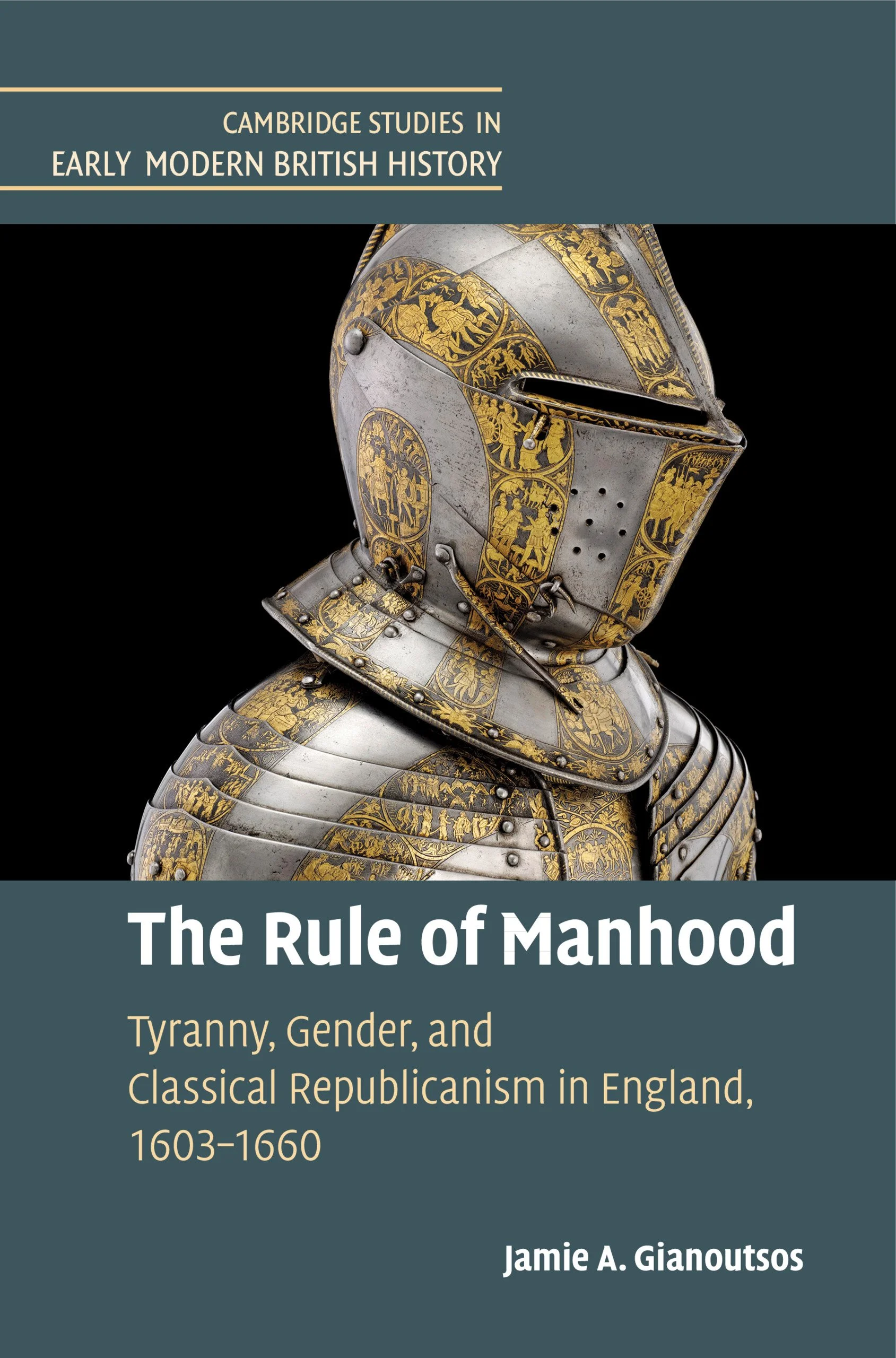
In Rome’s Long Shadow: How the Classical Tradition Shaped the Modern World
A fascinating history of the republican tradition that modern states inherited from ancient Rome.
Julius Caesar, Lucretia, Cincinnatus, Augustus, the Gracchi brothers: Roman figures have had an extraordinary influence on modern republics from America to France. Here historian Jamie Gianoutsos traces the Roman republic and its afterlives through the revolutionary birth of modern republics in the seventeenth and eighteenth centuries to reveal how ancient ideas of liberty, virtue, and corruption shaped the political imagination of a new age.
Moving from stories of tyranny and collapse in ancient Rome to moments of crisis in early modern Europe and the Atlantic world, Gianoutsos uncovers recurring patterns in the rise – and fall – of republics. Through vivid portraits of figures from Cato to the Brutuses, and via the revolutionaries of America, Britain, France and Haiti who consciously cast themselves as modern Romans, she offers a fresh and critical assessment of the strategies citizens pursued in their struggle to build lasting republican institutions.
As Gianoutsos shows, modern activists in this long republican tradition defended new freedoms – of the press, expression, conscience, and equality before the law – as a renewed bulwark against corruption, decline and tyranny. With verve and deep historical insight, Gianoutsos argues that by revisiting the past, we gain a clearer view of ourselves – and of the challenges republics continue to face today.
Praise for
In Rome’s Long Shadow
“Given the fragility of modern democratic structures, In Rome's Long Shadow is a timely and insightful intervention. Gianoutsos engagingly reconstructs the myriad ways in which subsequent generations have repeatedly returned to classical Rome, finding both inspirational models and cautionary omens in equal measure.” -- Clare Jackson, author of The Mirror of Great Britain
“Ancient Rome never fell—or at least, as Jamie Gianoutsos teaches us, it never vanished from the palaces and parliaments, salons and libraries where educated men and women argued about politics. Over the centuries, historians recorded unforgettable Roman tales, whose powerful protagonists and complex results provoked endless debates. As republicans and monarchists, revolutionaries and tyrants, advocates of slavery and apostles of feminism retold and recast these stories, they created the modern Western heritage of political thought—a debate without end, as durable as Rome itself.” -- Anthony Grafton, author of Magus: The Art of Magic from Faustus to Agrippa
“Jamie Gianoutsos vividly recaptures the excitement that the Roman republic inspired at successive nodal points of world history, and offers fresh ways of engaging with it today.” -- David Norbrook, author of Writing the English Republic
“For centuries, the Roman Republic lived in the imaginations of its admirers through its stories, from the self-sacrifice of Lucretia to the assassination of Julius Caesar. Retelling those stories with verve and insight, Jamie Gianoutsos explains what they conveyed to Romans themselves, and to the historians, playwrights, poets and political thinkers of early modern England and revolutionary America, when republicanism offered a radical alternative to monarchical despotism.”
-- John Robertson, author of The Case for the Enlightenment
The Rule of Manhood (winner of the Istvan Hont Prize)
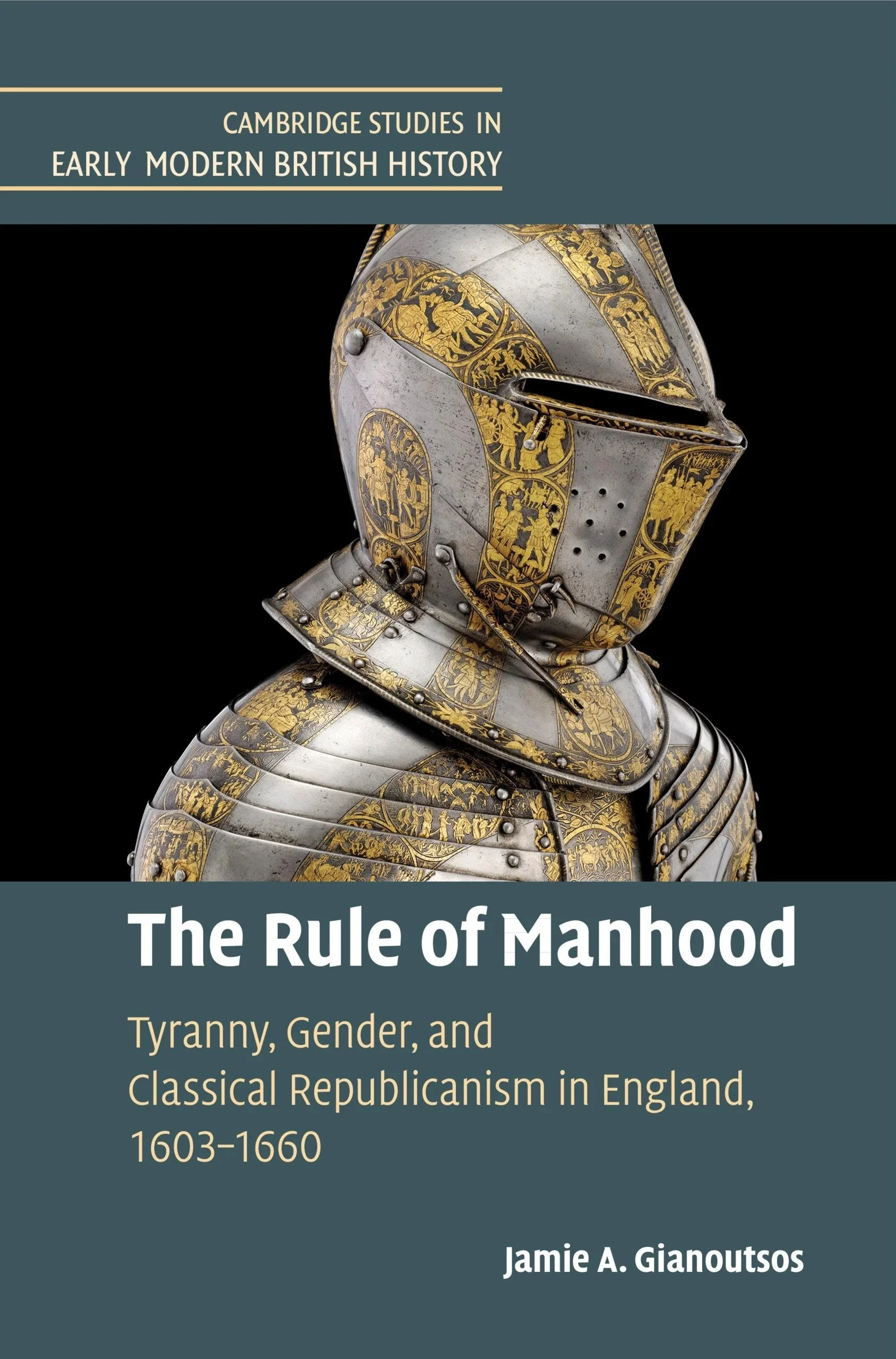
kings, the necessity of revolution, and the character of English republican thought. The Rule of Manhood explores the dynamic and complex languages of tyranny and masculinity that arose through these classical stories and their imaginative appropriation. Discerning the neglected connection between concepts of power and masculinity in early Stuart England, Jamie Gianoutsos shows both how stories of ancient tyranny were deployed in the dialogue around monarchy and rule between 1603 and 1660 and the extent to which these shaped English classical republican thought. Drawing on extensive research in contemporary printed texts, Gianoutsos persuasively weaves together the histories of politics and manhood to make a bold claim: that the fundamental purpose of English republicanism was not liberty or virtue, but the realisation of manhood for its citizens.
Through stories of lustful and incestuous rulers, of republican revolution and of unnatural crimes against family, seventeenth-century Englishmen imagined the problem of tyranny through the prism of classical history. This fuelled debates over the practices of their own
“The elegance of Gianoutsos’s study is to reveal how much extant evidence there is that gender was at the center of this political conflict. … [an] impressively researched book….”
— Emelye Keyser
“The Rule of Manhood is clearly written, forcefully argued, and consistently thought provoking. It adds significantly to recent work on early modern English politics that has (finally) taken gender seriously as a category of analysis…. Gianoutsos makes an important case for reorienting research into the long-term causes of the English Revolution”
— Alastair Bellany